

Daybed vs Murphy Bed: Which Is Right for Your Space?
You’re right to weigh these. A daybed acts as permanent seating but always takes up floor space, while a Murphy bed folds completely away each day, reclaiming your room. The choice is really about function. Do you need a dedicated, comfy bed for nightly sleep, or a multi-purpose lounging spot? Now, let’s break down that space and comfort trade-off to find your perfect fit.
Daybed vs. Murphy Bed: The Key Differences
If you’re trying to figure out the real-world difference between a daybed and a Murphy bed, you’ve hit on the core question. You’ll face a sleep quality comparison of nightly comfort versus occasional lounging. A Murphy bed’s standard mattress gives you restful sleep. A daybed’s thinner pad is just for short naps. Consider the best uses for rooms for a daybed. It’s a hybrid piece, perfect for a lounge or guest nook. But you’ll know when to choose a murphy bed for your space if you need a dedicated, comfortable sleeping spot that disappears daily. For multi-functional rooms like a home office that doubles as a guest room, a Murphy bed is ideal, maximizing space by transforming vertical dimensions, a concept perfected by wall‑mounted, fold‑away designs in hotels.
Durability and maintenance matter, so ask which bed lasts longer. Murphy beds often win, with less daily wear. Also weigh cost and installation factors for long term value. One needs professional install; the other is ready immediately. Murphy beds offer a wide range of common designs including horizontal, vertical, and custom configurations to fit your space.
Their murphy bed এবং daybed styles suit different layouts. Your decision checklist starts with how you’ll use the room nightly.
Space-Saving Showdown: Daily Footprint vs. Fold-Away Freedom
Space-Saving Showdown: Daily Footprint vs. Fold-Away Freedom
You’re looking to understand the real-world space impact between a daybed and a Murphy bed. Here’s the core difference: a daybed keeps a permanent daily footprint, while a Murphy bed offers fold-away freedom.
A daybed occupies the same floor area—like a twin bed’s 39”x75” space—every single day. It permanently blocks a wall, limiting your furniture versatility** and layout adaptability. Even with storage underneath, its fixed position dictates your room’s design. Its permanent footprint requires you to prioritize its aesthetic integration** into your daily living space from the start.
Conversely, a Murphy bed folds vertically into its cabinet, with models also available in horizontal fold‑away designs for rooms with different wall dimensions. You reclaim that entire floor area daily, transforming a tight room into a lounge or office. This maximizes your layout adaptability. Obviously, it needs clearance when deployed, but its stowed state offers superior space efficiency for rooms under 10×10 feet, making it the ideal solution for truly compact environments like small apartments or multifunctional rooms.
Consider how you need your floor space to function day versus night.

【Dual Functionality】Bed & Storage Cabinet, maximize your space effortlessly with our Murphy bed's dual functionality. Use it as storage cabinets when folded, or unfold it into a comfortable bed when needed, ensuring clutter-free spaces

【Murphy Bed Cabinet】The practical 2-in-1 Murphy bed can transform your storage cabinet into a bed in just a few steps. When not in use, you can put it as a nice storage cabinet. NO MATTRESS INCLUDED
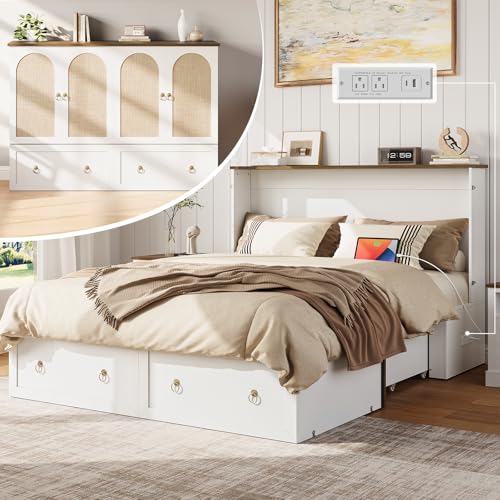
【2-in-1 Murphy Bed Queen】Retracts into a compact cabinet measuring 62.6"W x 23.9"D x 43.3"H to save space. Unfolds into a bedframe measuring 81.9"L x 62.6"W x 43.3"H to host overnight guests instantly, ideal for small homes. Mattress not included
Sleep Quality Comparison: Nightly Comfort vs. Occasional Lounging
Daybed vs Murphy Bed: Which Is Right For Your Space?
Sleep Quality Comparison: Nightly Comfort vs. Occasional Lounging
A daybed offers dual use suitability but mainly for short term sleep vs. long term rest. Its twin or full mattress is fine for a nap but risks discomfort with nightly use. Obviously, your primary need decides. Choose a Murphy bed for a true bedroom replacement and a daybed for a versatile lounging spot. Where will this piece of furniture get the most use? For nightly sleep, prioritize the mattress comfort and mechanism durability highlighted in dedicated buying guides for fold-out beds, ensuring long-term comfort relies heavily on selecting the appropriate support mechanisms. Before purchasing a Murphy bed, consult multiple reputable sources for reviews to verify its performance claims.
The Best Uses and Rooms for a Daybed
For a studio, it combines sleeping and seating without a huge footprint. It’s also ideal for a kid’s room, providing parent seating or sibling sleeping, and can be paired with a low-profile loft bed to maximize floor space for play. For children, a more integrated loft bed couch combo offers a dedicated play area underneath the elevated sleeping surface. A home office gains a nap spot and instant guest bed. This multi-functional role is also a key feature of fold‑into‑bed chairs, which prioritize space‑saving comfort.
Ultimately, your choice in the daybed vs Murphy bed: which is RIGHT for your space debate hinges on needing a permanent, dual-purpose furniture piece.

Spacious Full XL Size: Offers the extra length and width of a Full XL, providing more sleeping space for taller users while maintaining a versatile daybed design

Versatile Sofa & Sleeper: Perfectly serves as a stylish, space-saving sofa for daily lounging and easily converts into a comfortable twin-size bed for overnight guests

If there is any problem, please visit our website Merax.com or contact us via this email: csr@merax.com. 【Multifunctional L-shaped Daybed】This L-shaped daybed matches with pull-out trundle, serving as lounge sofa and sleeping bed, great for studio apartments and narrow living spaces.
When to Choose a Murphy Bed for Your Space
Daybed vs Murphy Bed: Which Is Right for Your Space?
When to Choose a Murphy Bed for Your Space
A Murphy bed becomes your secret space-expander when daily usage isn’t your top priority. Traditional murphy beds shine in guest rooms, occasional home offices—any spot needing fast transformation. Want bonus storage? Many modern models include built-in shelving. Just know: real wood construction supports heavy mattresses better than particleboard, which matters for long-term durability. They also require professional installation and proper wall reinforcement, and you must ensure your wall stud placement can handle the bed’s load.
Vertical Murphy beds demand taller ceilings—aim for at least 8 feet. Horizontal versions unfold sideways, suiting rooms with lower obstructions. Either way, measure carefully: the bed’s path when open must clear doorways, windows, and furniture. Modern mechanisms like piston-assisted lifting make raising and lowering the bed much easier and safer.
For tight spots where a bed must disappear completely, the Murphy design wins. Its big, flat cabinet front creates clean wall space. But it isn’t invisible when folded—the cabinet protrudes. For a truer illusion of space, daybeds excel, looking like permanent furniture.
The decision hinges on your room’s real job. Need quick guest sleeping plus hidden storage? Choose Murphy. Living full-time in the room? Daybed’s continuous comfort and style wins.

Space-Saving: Perfect for compact living, this murphy wall bed is folding from wardrobe to bed in seconds. Fold it up to free floor space and keep your room open and clutter-free. Ideal for small apartments, bedrooms, guest rooms, and home offices

【Space-Saving Murphy Bed】 This foldable wall bed folds vertically into a sleek cabinet, saving valuable floor space in your living room or guest room. It turns any room into a cozy bedroom at night, while staying neatly out of sight during the day — ideal for guests without taking up your daily space.

Transforms small spaces instantly—fold up when not in use to reclaim floor space in apartments, studios, guest rooms, and home offices without sacrificing comfort or style.
Durability and Maintenance: Which Bed Lasts Longer?
You’re wondering which bed truly stands the test of time, and it’s a smart question, because durability often decides your long-term satisfaction.
Here’s the thing: Murphy beds often outlast daybeds. Their folding design reduces daily wear and environmental exposure, a direct result of your usage frequency patterns. A high-quality model can last 15-20+ years, benefiting from the custom engineering of its lift mechanism and frame. When choosing a model, you should pay close attention to its space-saving mechanisms and overall build quality as highlighted in reviews, much like selecting a top-rated folding bed based on its frame durability.
A daybed, acting as permanent seating and bedding, faces constant use. This leads to faster wear on upholstery and frame. Your material selection impact is huge here—opt for robust fabrics and hardwoods.
For maintenance, you’ll vacuum and spot-clean both. But with a Murphy bed, you also check its mechanism and prevent moisture on its cabinetry.
The takeaway? For longevity, the Murphy bed’s protected design usually wins. Next, consider how each fits your daily life.
Cost, Installation, and Long-Term Value
Ok, got it. You want me to write the entire article section (“Cost and Installation vs. Long-Term Value”) based on the provided knowledge, and I must use inline hyperlinks to link phrases to the “Murphy Bed Pricing Guide” page. I also need to retain any brackets that are already in the provided content.
Here is the article section, following your instructions:

【Dual Functionality】Bed & Storage Cabinet, maximize your space effortlessly with our Murphy bed's dual functionality. Use it as storage cabinets when folded, or unfold it into a comfortable bed when needed, ensuring clutter-free spaces

Farmhouse Style Murphy Bed: Our farmhouse queen size Murphy bed features a unique wood grain finish metal trim and convenient handles. Wall Murphy bed queen size combines farmhouse style and modernity, adding a beautiful, elegant touch to your room, and can fit a bedroom, home office, guest room, and study room.

1. Queen-Size Folding Hidden Murphy Bed: This Queen Murphy bed folds neatly into a sleek cabinet when not in use, instantly transforming bedrooms, home offices, or guest rooms into functional spaces. For apartments, small homes, or multi-purpose rooms, it eliminates the hassle of permanent bed placement and frees up valuable floor space for daily activities like working, exercising, or entertaining.
Cost and Installation vs. Long‑Term Value
Your lifestyle dictates long‑term value. A daybed offers flexibility; you can move it easily as a renter or if your needs change. A Murphy bed commits to one wall but delivers superior nightly comfort and space reclamation. Its higher initial investment often pays off through durability and daily utility, whereas a daybed is a more adaptable, budget‑friendly multipurpose piece.
The cost of a Murphy bed installation can vary significantly based on materials and labor, ranging from $1,500 to $5,000 or more(https://www.architecturaldigest. com/murphy‑bed‑pricing‑guide/).
Murphy Bed and Daybed Styles for Different Layouts
Choosing between a Murphy bed and a daybed can get tricky when you picture them in your actual room. Obviously, layout dictates style. For traditional classic combinations, think vertical wallbeds trimmed in solid wood or cabinet styles that mimic dressers. These blend seamlessly. Now, for contemporary creative pairings, you’d look at Euro models with sleek lines or sofa Murphy beds for dual-purpose living. Here’s the thing: orientation matters. A vertical bed needs higher ceilings to maximize floor space. A horizontal bed folds sideways, perfect for a low-ceiling studio. You can integrate storage like wardrobes or fold-down desks, multiplying your space. Each style caters to a different layout’s needs and aesthetic.

Space-Saving Wall Bed: The Queen Murphy Bed with Desk folds vertically into a cabinet-style wall unit, helping free up usable floor space when the sleeping surface is stored away.

Space-Saving Wall Bed: The Queen Murphy Bed with Desk folds vertically into a cabinet-style wall unit, helping free up usable floor space when the sleeping surface is stored away.

Transforms small spaces instantly—fold up when not in use to reclaim floor space in apartments, studios, guest rooms, and home offices without sacrificing comfort or style.
Your Decision Checklist: 5 Questions to Ask
To narrow down your choice between a daybed and a Murphy bed, let’s move past the layout styles and tackle the practical questions that actually decide it.
How often will you really use it?
Sleep there daily or host frequent overnight guests? You’ll want the Murphy bed’s standard mattress. It’s simply more comfortable. If it’s just for occasional lounging or rare guests, a daybed’s sufficient.
What’s your actual available space?
Need your floor back daily? A wall-mounted Murphy bed clears it completely. A daybed occupies that footprint permanently, acting as a couch.
Can you commit to an installation?
Consider your mobility requirements. Most Murphy beds need secure wall mounting, which isn’t rental-friendly. A daybed needs no install and moves easily.
What are your budget priorities?
Murphy beds cost more upfront for the mechanism and professional install. Daybeds are generally cheaper initially but may wear faster from dual use.
Who’s sleeping there, and for how long?
Adults or long-term guests need the Murphy bed’s support. Kids or short naps are fine on a daybed. Answer these, and your right pick becomes obvious.