

Do Murphy Beds Need to Be Wall‑Mounted?
You’re right to question if Murphy beds *must* be wall-mounted. While freestanding options exist, wall-mounting is the standard for a rock-solid, permanent setup. It safely transfers the heavy load—think a queen bed needing three studs—directly into your wall’s structure. Obviously, skipping proper anchors is risky, so the method depends entirely on your wall type. Let’s break down why wall-mounting is so trusted and when you might choose an alternative.
The Short Answer: No, Wall-Mounting Is Still the Standard
You might think all Murphy beds require robust wall brackets, but you have other options. Now, for the short answer: wall-mounting is still the standard. Most systems, especially vertical-folding beds, secure into a wall’s bottom plate. This method is common because it’s proven and stable for residential use. Here’s the thing: you’re not locked into it. Freestanding systems exist that don’t need permanent wall anchors. Some frames attach directly to a floor base or fit within a closet niche, offering a practical solution for multi‑use rooms where permanent modification isn’t desired. This flexibility matters for non residential applications, like rentals or offices, where you can’t modify walls. So, while wall-mounting is typical, it’s not your only path. Your decision hinges on your space and what you’re allowed to install. For integrating the bed into your existing decor, consider models with various finishes that complement your style. Freestanding Murphy beds are particularly advantageous for small apartments, maximizing usable floor area without permanent installation.
How Wall-Mounting Works and Why It’s So Common
Now, if you’ve settled on the typical wall-mounting route, it’s probably for the stability. You anchor the cabinet’s top directly to the wall studs, often using three L-brackets and three-inch lag screws. This distributes the weight, like a bookshelf holding heavy encyclopedias, preventing the bed from pulling away. For a queen size, you’ll typically secure it into at least three studs. You need a stud finder and must drill pilot holes. Before drilling, ensure you have a detailed plan for the bed’s placement and have gathered all required tools and hardware to avoid interruptions, which should include everything from a level to a drill and the specific fasteners called for in your DIY Murphy bed kit instructions. Here’s the thing: while you can DIY it, many opt for professional installation, especially with tricky wall types like concrete or metal studs. Your takeaway: proper wall-mounting creates a secure, integral part of your room’s framework. For secure installation, the cabinet must be attached to studs using the provided three-inch screws. Always verify that the total weight of the bed, mattress, and occupants does not exceed the safe weight capacity specified for your model.
The Critical Safety Risks of Improper Wall-Mounting
The Critical Safety Risks of Improper Wall-Mounting
While wall-mounting offers great stability, getting it wrong introduces serious dangers that aren’t always obvious. You aren’t just risking a wobbly bed; you’re inviting a structural failure where the entire unit can detach and fall. Recall one 2018 incident that caused a fatality, and over 60 other injury reports. Obviously, mounting into just drywall or using weak anchors won’t hold the weight, so proper installation into wall studs is essential for safety. For this reason, using the correct fastening techniques is critical to ensure the hardware performs as intended. Regular checks of the anchor points are a key part of ongoing maintenance to prevent loosening over time, much like the inspection you’d perform before a step-by-step disassembly.
Here’s the thing: improper installation accelerates material deterioration, stressing the frame until it detaches. Combine that with potential misuse incidents, like overloading the mattress, and you’re pushing compromised hardware toward sudden failure. The mechanism can crash down without warning.
Your clear takeaway: correct mounting isn’t optional. Your next step? You must identify your wall’s structure, because that dictates everything.
What Your Wall Type Means for Your Mounting Choice
Figuring out your wall type is the single most important step, because it decides every mounting choice you’ll make. You’re probably wondering if your wall can even handle it. Here’s the thing: wall material compatibility directly dictates your mounting hardware types. For wood studs, you’ll obviously use a stud finder and drill into three studs with L-brackets. With concrete, you attach wooden sleepers using special anchors. Brick requires masonry anchors, and metal studs need specific screws. You never mount directly to drywall alone—you always find the studs behind it. Each method provides a stable foundation while minimizing damage. Your wall type isn’t a limitation; it’s just your starting point for a safe, secure installation. This reinforcement is critical, as the bed’s lifting hardware and pivoting mechanism place significant dynamic stress on the wall frame. Budgeting for professional installation fees ensures this critical step is done correctly. A comprehensive guide will detail everything from wall-mount brackets to safety checks. Now, you’re ready to choose the right hardware.
When to Consider Floor-Mounted or Freestanding Alternatives
Since wall mounting seems tricky or you’re simply not allowed to drill, you’re smart to wonder about alternatives that skip the hardware entirely. Freestanding cabinet beds are a popular vertical fold style that integrate the bed into a complete furniture piece. They occupy a consistent horizontal cabinet footprint even when closed, which still frees up floor space compared to a traditional bed. Consider them for pure rental flexibility. Freestanding cabinet beds need no bolts, so they comply with strict leases. You avoid permanent alterations completely. They’re also key portable solutions. You can move them to rearrange your space anytime, offering major layout versatility. Many models utilize hydraulic lift mechanisms for smooth and safe operation.
Now, here’s the thing: these units often cost more upfront than basic wall-mounted kits. But you get built-in storage, saving you from buying a separate dresser. They’re also easier to set up without professional help. Obviously, you sacrifice zero wall space for art or shelves. Your clear takeaway? If your walls are off-limits or you love to redecorate, a floor-based model solves your core problem. Next, you’ll weigh if the added cost fits your budget for this convenience.

【Reinforced Support for Stronger Weight Bearing】 Additional under-bed support bars combined with four extra support legs reinforce the platform from underneath, improving weight distribution and delivering stronger, more reliable support for daily use while reducing long-term stress on the bed surface

【2-in-1 Boho Cabinet Bed】This fluted full murphy bed seamlessly transforms from a comfortable bed into a stylish storage cabinet, maximizing floor space in guest rooms, apartments, home offices, or multipurpose rooms. The spacious cabinet top provides extra room to display decorations, books, or daily essentials.

PRACTICAL- store your bed in style. With the Milliard Storage Closet you can enjoy the luxury and comfort of a twin/cot size folding bed, without compromising on your space. Roll out your folding bed when additional sleep space is necessary, fold and neatly stow in the Milliard Storage Closet when it is no longer required.
How to Wall-Mount a Murphy Bed on Your Specific Wall Type
Wall mounting may seem complex, but it’s very doable if you know what your wall is made of. Here’s the thing: your specific wall dictates your exact plan. You’ll often use alternative hardware to match the material. The secure wall-mounted frame is key to the space-saving design working properly. For wood studs behind Sheetrock, locate at least three studs. You’ll drill pilot holes and secure it with lag screws. Concrete or brick requires special masonry anchors. Drill precise pilot holes with a masonry bit. For metal studs, use appropriate toggles or consult a pro. You must anchor directly into the metal. This secure installation is crucial for the safe operation of the hinges, pistons, and brackets. A heavy-duty mounting frame bolted to the structure is non-negotiable for meeting proper safety standards. Plaster walls? Avoid mounting here. They’re too fragile for this load. Soundproofing considerations matter if the wall is shared. Obviously, extra mass can help dampen noise. Always test the bed’s operation smoothly after install.

STRONG MATERIAL – All the blue concrete anchors and screws are made of selected materials with premium quality just to ensure the best performance. The Philips screws are made of high-strength carbon steel and finished with galvanizing technology, which is highly resistant to rust and corrosion. The concrete anchors are made of new PE material for higher strength and better resistance to rub and aging.

STRONG MATERIAL – All the blue concrete anchors and screws are made of selected materials with premium quality just to ensure the best performance. The Philips screws are made of high-strength carbon steel and finished with galvanizing technology, which is highly resistant to rust and corrosion. The drywall anchors are made of new PE material for higher strength and better resistance to rub and aging.

Heavy-Duty 500LB Load Capacity:Engineered with thickened solid metal base and high-tensile nylon straps, our anti-tip anchors are rigorously tested to secure up to 500 lbs
Wall-Mount vs. Alternatives: The Final Trade-Offs
When you’re weighing wall-mounts against the alternatives, you’re really choosing between stability, installation effort, and what your room can physically handle. Consider your choice a key part of the buying guide that covers durability and aesthetic integration.
You must first assess your wall’s structural compatibility. Wall-mounting demands strong, accessible studs, but older plaster can crack. Installation complexity is higher, taking 1-2 hours for a permanent, ultra-stable result. This makes it crucial for heavier or daily-use models like vertical wall‑mounted beds.
Floor-mounting avoids wall stress yet risks permanent floor damage. It’s a solid middle ground. A freestanding bed offers maximum portability but less stability for daily use.
Your room dictates the trade-off. Pick safety and permanence, a balanced compromise, or total flexibility. Obviously, measure your space—a queen bed needs 8-9 feet of clear wall.

Horizontal Mount Queen Size Full Size Twin size Deluxe Murphy Bed Hardware Kit(for the small size bed,just reduce the springs in the housing if they are too strong)

Build With the Experts: With over two decades of proven reliability, our kits are designed to last a lifetime, making them perfect for constructing a premium Murphy bed. Commercial grade steel, exceptional strength, and durability are behind each kit. Engineered to support up to 2,000 lbs, our kits are the ultimate solution for maximizing your living area.
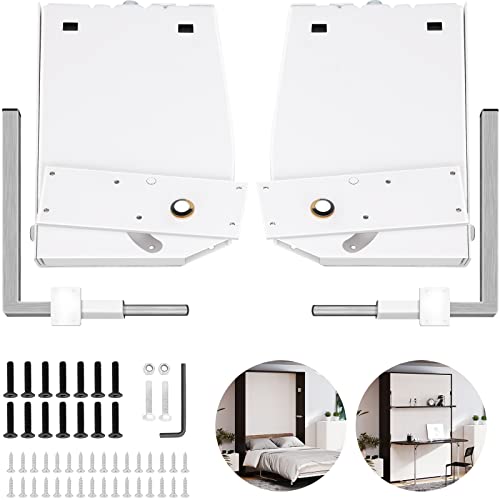
【SUPERIOR REBOUND FORCE】- One person can freely fold out or up the bed. Inside 9 premium springs, high rebound strength to ensure the whole process.