

Can Bed Bugs Live in Walls? What You Need to Know
You’ve hit on a key worry: bed bugs absolutely live in walls. They exploit cracks thinner than a credit card, surviving for 20 to 400 days without a meal in those warm, hidden voids. They don’t just hide there—walls become active highways, letting them spread. So while they can’t live there forever, waiting for them to die naturally is a risky plan. Understanding this hidden habitat is your first step toward beating them.
Do Bed Bugs Live Inside Walls? The Surprising Truth
You’ve probably noticed bites and are wondering where these pests are hiding. Yes, bed bugs absolutely live inside walls. Their hiding dynamics are perfect for cracks in plaster, wood, or brick. They’ll exploit gaps thinner than a credit card. Now, environmental factors directly impact their survival there. Without feeding, they can last 20 to 400 days, depending on your wall’s temperature and humidity. Warmer, moist conditions let them persist. Here’s the thing: they can’t stay hidden forever. They must emerge to feed and reproduce, using utility chases to travel. They travel through walls frequently to spread between rooms in apartments and hotels. Their ability to scale vertical surfaces with their specialized claws helps them navigate these paths. So while your walls offer a covert base, it’s not a permanent, self-sustaining home. When inspecting for their entry points, remember that pests often exploit the same uneven flooring that causes beds to slide away from walls. Your next step is figuring out how to spot their activity. Effective treatment often requires applying insecticide dusts into these voids to eliminate hidden colonies.
How to Spot the Signs of Bed Bugs in Your Walls
Alright, spotting bed bugs in your walls means looking for evidence they leave behind, not the bugs themselves. You’re searching for dark, ink-like fecal spots, especially in corners and by baseboards. Check for reddish stains from crushed bugs and tiny, pale eggs (about 1mm) in crevices. Their shed skins look like tiny, pale apple seeds. This thorough inspection is as important as checking the sturdy construction of a child’s loft bed for safety.
Now, pay close attention to loose wallpaper. Its removal often reveals clusters of eggs and hidden bugs. Also, trust your nose. Odor detection can reveal a faint, rusty smell from their fecal matter, a key clue. Use a flashlight to inspect outlets and picture frames for these signs. For a complete assessment, you must inspect all potential hiding places just as you would inspect all installed anchor points for stability. This is similar to checking for stability in a retaining wall structure after construction. Your main takeaway: focus on physical traces, not just live bugs, to confirm an infestation.

FRUSTRATED BY HIDDEN ODORS? – That lingering pet odor you can smell but can't locate, those invisible stains you can't clean—it ends now. Equipped with 51 high-intensity 395nm UV LEDs, Vansky black light reveals dried dog and cat urine and organic residues invisible to the naked eye. Pro Tip: Use in a dark room on completely dried urine for the brightest fluorescent glow (fresh wet urine will not fluoresce until dry). Follow our simple detect, clean, recheck method to pinpoint odor sources for targeted cleaning. No guessing, no sniffing, just effortless cleaning.

Practicality: Vansky UV flashlight black light is Perfect for Revealing Dry Dog, Cat and Rodent Stains and unfavourable Spots that Couldn't See With the Naked Eye. Easily Spot Scorpions, Authenticate currency, Driver license, Official Identification cards, Passports. It can also act as Nail Dryer. Matching with Pet Odor Eliminator

A Must Have for Pet Lover: 395nm wavelength can help to detect what naked eye can not see, like dog and other pet urine/stains, driver license, official identification cards, passports, customs or authenticate currency.
How Bed Bugs Use Walls to Travel and Spread
Here’s the thing: they can move up to 4 feet per minute when motivated. While hitchhiking on bags is their main move, walls let them spread independently in severe cases. Shared utility lines act as hidden conduits, directly connecting living spaces, much like how a Murphy bed frame depth can determine how a space is utilized. To prevent their movement, focus on sealing gaps around electrical outlets and switches, areas where proper wall sconce placement also requires careful consideration to avoid creating access points. Bed bugs breed consistently across all seasons, making an active infestation difficult to contain. Ensuring a tight seal is as critical as using sturdy mounting hardware for secure furniture installation.
Your takeaway? Walls aren’t just hiding spots; they’re active travel routes. To stop them, you must seal these pathways.
Why DIY Foggers Can’t Reach Bed Bugs in Walls
Since you’re wondering about those DIY bug bombs, understand that they physically can’t reach bed bugs hiding deep in your walls. Their aerosol dispersal is too fine. It settles on open surfaces only, leaving over 90% of hidden bugs untouched. They have zero force to drive chemicals into the tight spaces bugs occupy. Now, here’s the critical flaw: foggers require direct chemical contact to kill. Bugs sheltering in voids avoid any contact. This often combines with chemical resistance to the over-the-counter formulas. The result is a dual failure: poor penetration and ineffective poison. Worse, foggers can act as repellents, scattering bugs into new rooms. You create a false sense of security while the infestation grows, untouched, within your walls. Like a Murphy bed that saves space by folding away, these bugs are designed to tuck themselves into hidden voids, making them incredibly difficult to target, similar to pests evading treatment in a sofa-bed hybrid. Their design as total release devices means they disperse all their contents at once, making them incapable of targeted application. Just as hotels use wall‑mounted beds to maximize floor space and create flexible rooms, bed bugs exploit the empty cavities and voids within walls to establish inaccessible harborage areas.

Natural Bed Bug Repellent: Our plant-powered pouches eliminate bed bugs at every life stage – bug adults, bug babies, and hidden eggs. The citronella and lemongrass formula penetrates deep into mattress seams, furniture cracks, and baseboards where bugs hide. Unlike sprays that only touch surfaces, our pouches create a protective barrier for 60 days. Perfect for homes, hotels, or apartments battling repeat infestations.

TARGETED DUST CONTROL FOR HIDDEN PESTS – This ready-to-use insecticide dust delivers effective control where sprays can’t reach, including cracks, crevices, and wall voids. Ideal for ants and other crawling insects that hide and travel through structural gaps.
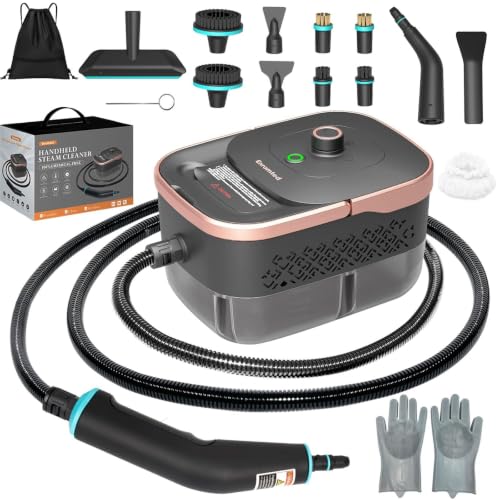
【15-SECOND INSTANT HEAT TO STERILIZE & DISINFECT】 Powered by a rapid-heating 1500W heating core, this pressurized steam cleaner generates continuous 221°F (105°C) high-velocity steam in just 15 seconds. High-temperature pressurized thermal vapor penetrates deep into porous surfaces to melt away baked-on grease, remove stubborn grime, and effectively disinfect and sterilize everyday household surfaces without chemical residue.
How Professionals Eliminate Bed Bugs Hidden in Walls
Because DIY foggers can’t reach them, you might wonder how professionals actually eliminate bed bugs hidden in walls. They start with a meticulous inspection, using tools to pinpoint exactly where the bugs are living behind your outlets and baseboards. This targeted approach tells them precisely where treatment is needed.
Now, for the voids they can’t see into, pros often perform strategic wall drilling to create small access points. They’ll then use a specialized dust formulation designed for bed bugs, puffing it deep into the cavities. This dust clings to wiring and framing where the bugs travel. Similar to disassembling furniture, professionals will carefully label and organize components after creating these access points, treating the removed items with the same care one would give to preserving mattress integrity during a bed disassembly. It is crucial to ensure any access points created, much like with furniture, are carefully sealed to prevent future pest harborage points. Professionals often need multiple treatment cycles to completely eradicate bed bugs emerging from deep hiding spots. For widespread issues, they might use whole-room heat treatments, which safely raise the temperature inside your walls to lethal levels.
The takeaway? Professionals use precise, multi-method strategies that DIY kits simply can’t match.

Trusted Brand : RID is trusted by families for killing lice and lice eggs. This permethrin lice killing spray also kills bedbugs and dust mites.

HIGHLY EFFECTIVE, PLANT-POWERED BED BUG KILLER: EcoVenger Bed Bug Killer uses a patented blend of botanical insecticidal compounds to combat tough insects. A published university study ranks it as the #1 most effective natural product against bed bugs among 12 products tested, outperforming traditional pesticides.

Eliminates bed bugs, lice, ticks, fleas, and dust mites
How Long Bed Bugs Can Survive Trapped in Walls
They thrive in your home’s common range of 65°F to 85°F. Low humidity shortens their lifespan to weeks by dehydrating them. High humidity helps them conserve energy, extending their wait for a host. This wait is an example of the versatile survival strategies pests can employ. Their persistence in small spaces means they can remain hidden even in the narrow structural gaps of a room. For example, they can exploit the slender void behind a bedside bench or within built-in storage. Obviously, waiting for them to die isn’t a practical plan. Their extended survival means an infestation can re-emerge long after you think it’s clear.
Immediate Steps to Take If Bed Bugs Are in Your Walls
Finding bed bugs in your walls can feel overwhelming, but you’ve hit on the essential next step: immediate action to contain them. Your first moves are straightforward and indispensable.
Vacuum crevices thoroughly along every baseboard, outlet, and wall seam, paying special attention to any gaps near decorative wall panels or other textures. Then, you’ll seal openings with caulk or tape to trap bugs inside. Declutter the area and move furniture away from walls, creating a clear inspection zone like you would maintain around a sturdy loft bed for safety and access.
Now, consider heat or steam for wall cracks. Professional whole-room heat is most effective. Use interceptors and monitor regularly. Obviously, you won’t fix this overnight, but these immediate steps contain the problem and start your fight.
Your clear takeaway: swift physical action limits their spread. The next question is whether you’ll need professional help for a full eradication.

【High-Efficiency Deep Cleaning】Our UV mattress vacuum cleaner features a powerful 500W motor, providing 16kPa of strong suction and 30,000 RPM high-frequency tapping. It penetrates deeply into mattresses and fabric layers, effectively removing fine dust, skin flakes. Keep your mattress and sofa consistently fresh and clean, creating a healthier sleep environment and allowing you to enjoy a healthier home life. (NOTE: Not suitable to absorb pet hair)

Efficient cleaning: The built-in UV-C lamp can eliminate up to 99.9% of allergens, ensuring that your living space is not only clean.

18KPa Bed Vacuum Cleaner for a Deeper Clean: Powered by an upgraded high-efficiency motor, this mattress vacuum cleaner delivers strong 18,000Pa suction and high-speed 35,000 RPM tapping to help lift dust and debris from deep inside mattresses, bedding, sofas, and other fabric surfaces—keeping your home feeling fresher and more comfortable.