
Are Loft Beds Safe? What Parents Need to Know
You’re right to question loft bed safety—it’s not a simple yes. They’re safe if you follow strict rules, but young children are especially vulnerable. The key is your child’s age: kids under six lack the coordination for frequent climbing and account for half the injuries. It’s about matching a sturdy setup with their maturity. Let’s break down exactly what that means for your family.
Are Loft Beds Actually Safe?
Are loft beds actually safe? Yes, but you’ve got to check the details. It’s not about the concept, it’s about the execution. You must match the bed to the user. A model built for a 150-pound child won’t safely hold a 250-pound adult. Always adhere to the manufacturer’s specifications for the maximum safe weight.
Here’s the thing: safety hinges on weight capacity, construction, and setup. Always verify the rated limit—solid adult designs support 300 to 600 pounds. Materials matter; steel or solid wood with reinforced joints prevents dangerous wobble. When selecting a bed, also look for integrated safety railings to provide an essential barrier against falls during sleep. Now, if you’re considering DIY projects, a rigorous home inspection mindset is non-negotiable. You’re checking every bolt and testing stability like a pro. Furthermore, securing the frame to the wall with an anti-tip kit greatly enhances stability and is a key preventative measure.
Your takeaway: A properly chosen and assembled loft bed is a secure space. Your next step? Let’s identify what can go wrong so you can avoid it.
The 5 Most Common Loft Bed Hazards (And How They Happen)
Now that you know a safe loft bed depends on its build and setup, let’s see exactly where things go wrong.
First, falls from the top. The fall statistics are stark, with most injuries happening to kids under six, which is why minimum age recommendations from experts are so important. A top bunk is just high enough for a real impact.
Next, guardrails fail if they’re too short. A thick mattress can secretly lower the rail’s height, making a roll-off easy. Ensuring proper mattress size and thickness for the specific frame is a key safety step.
Ladders cause trouble, too. Kids jump down or use a loose rung. For injury prevention, that ladder is for climbing only. For a lofted dorm bed, ensuring the ladder is securely attached to the frame and has proper anchoring to the wall or floor is equally critical.
Bad placement near windows or fans creates its own crash hazard.
Finally, misuse is huge. Overloading the bed or hanging things from it compromises everything.
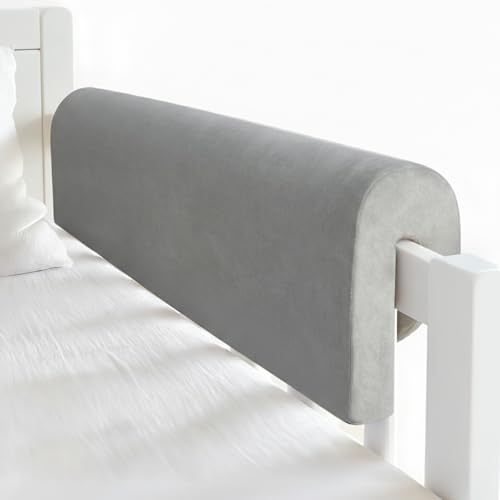
【Enhanced Safety - Anti-Collision & Increased Guardrail Height】Our upgraded children's bed rail bumpers protector is made of high-density foam, which provides a cushioned barrier to prevent kids from hitting the guardrail directly. After installing the bed guardrail padding, the height of the guardrail was increased, reducing the risk of falls and offering peace of mind for parents.
【Enhanced Safety - Anti-Collision & Increased Guardrail Height】Our upgraded children's bed rail bumpers protector is made of high-density foam, which provides a cushioned barrier to prevent kids from hitting the guardrail directly. After installing the bed guardrail padding, the height of the guardrail was increased, reducing the risk of falls and offering peace of mind for parents.

【Enhanced Safety - Anti-Collision & Increased Guardrail Height】Our upgraded children's bed rail bumpers protector is made of high-density foam, which provides a cushioned barrier to prevent kids from hitting the guardrail directly. After installing the bed guardrail padding, the height of the guardrail was increased, reducing the risk of falls and offering peace of mind for parents.
What the Injury Numbers Really Mean for Your Family
Seeing those big injury numbers can feel overwhelming, but they’re really a map showing where the risks concentrate for your family. Now, look at the patterns, not just the total. For example, nearly half of all injuries happen to kids under six. That’s a huge concentration of risk you can act on.
When you see hospital admission rates are around 3%, that means most treated kids go home. But it also highlights serious falls do occur, especially from the top bunk. The annual death statistics, about ten nationally, are tragically real but statistically rare for any single family. Many of these serious incidents are linked to common hazards like ladder misuse and falls.
Your takeaway is simple: the numbers pinpoint who’s most vulnerable. Your next step is considering your own child’s age and maturity before you decide. To further reduce risk, ensure your bed follows all standard bunk bed dimensions and safety guidelines for guardrails and clearance. Choosing a model from a reputable brand with high-quality materials and verified durability and weight capacity is a critical safety step.
Your Child’s Age Is the Most Important Safety Factor
Since you’re figuring out whether a loft bed is right for your family, you’ve probably wondered, “How old should my child be?” Here’s the thing: age is your biggest safety factor because it directly predicts whether your child has the coordination and judgment to stay safe. Manufacturers and safety groups set clear age rules for a reason. You must follow the six-year minimum for any high loft. Younger kids simply lack the balance, and half of all bunk-related ER visits involve children under six. For younger children, a low loft bed can be a much safer and age-appropriate option, as it is specifically designed for kids and prioritizes features like sturdy guardrails and easy access. When evaluating any model, always check the manufacturer’s specified weight limits to ensure it can safely support your growing child. Your own **developmental
How to Securely Set Up a Loft Bed for Your Child’s Age
How does setup change for different ages?
It’s all about age appropriate assembly and developmental height considerations. You’ll anchor the frame to wall studs with L-brackets; this stops wobble, which is critical for younger kids. Use a stud finder and level to accurately locate solid anchor points in the wall studs. Obviously, you must position the bed safely. Keep it at least 30 inches from the ceiling and away from ceiling fans or windows. Don’t just plop it anywhere. Choose a spot allowing full, clear access to its ladder. For optimal safety, selecting a complete guardrail system that matches your loft’s exact dimensions is highly recommended. Regularly inspect and tighten all bolts and screws to maintain a stable frame.
Your main takeaway? A secure setup is active, not a one-time task. You’ll check bolts every few months and always confirm the ladder is firmly attached. Now, let’s talk about the guardrails.

【Loft Bed with Extra High Guardrail Shelf】Our full-size high loft bed features a long bedside shelf: it keeps books, gadgets, or small items within easy reach for daily use, and cleverly extends the upper bed’s guardrail by 7 inches—boosting anti-rollover safety, perfect for kids, teens, or those who move often while sleeping. The shelf’s surrounding mesh edge also prevents items from slipping off and falling.

【2‑in‑1 Convertible Design – Adapts as Your Family Grows】This full XL over full XL bunk bed can be separated into two independent beds – one full XL size loft bed and one full XL size platform bed. Whether you need a shared sleeping solution today or 2 separate beds for siblings moving into their own rooms tomorrow, this separable bunk bed grows with your family. Use the split units as everyday beds or spare guest beds – ultimate flexibility for changing needs.

Space-saving junior size loft bed designed to maximize bedroom space for kids, with easy-to-reach top bunk and 26.5" high area under bed for storage or reading nook
Why Guardrails Are Non-Negotiable (And How to Check Them)
Can’t figure out why guardrails get so much emphasis? Consider the height. A loft can be seven feet up. Obviously, a fall from there is serious. Guardrails are your absolute primary defense. Standard models and regulatory standards specify critical safety dimensions for these structures.
You check rail fastener security first. Every fastener must require a tool to remove. Tighten them yourself, applying pressure. They shouldn’t wobble. Next, inspect rail gap dimensions. The space between the rail and mattress must be under 3.5 inches. That prevents a child slipping through. Also, measure the rail height. It needs at least five inches above your mattress top. When inspecting the top bunk, ensure its guard has a continuous design with non‑slip padding for maximum safety. Leading top‑only bunk bed reviews prioritize models with sturdy slatted bases and reinforced frames to enhance overall stability and support.
Now you’ve verified those two critical checks. Your next step is choosing a mattress that actually works with these safety specs.

GREENGUARD GOLD CERTIFIED, JPMA CERTIFIED: GREENGUARD Gold Certified products are screened for more than 10,000 chemicals and VOCs known to pollute indoor air; Expert tested to meet or exceed all applicable category voluntary and mandatory safety standards

GREENGUARD GOLD CERTIFIED, JPMA CERTIFIED: GREENGUARD Gold Certified products are screened for more than 10,000 chemicals and VOCs known to pollute indoor air; Expert tested to meet or exceed all applicable category voluntary and mandatory safety standards

GREENGUARD GOLD CERTIFIED, JPMA CERTIFIED: GREENGUARD Gold Certified products are screened for more than 10,000 chemicals and VOCs known to pollute indoor air; Expert tested to meet or exceed all applicable category voluntary and mandatory safety standards
Choosing a Safe Mattress and Ladder for Your Loft Bed
You’ve secured the guardrails, but those specs are built around your mattress choice. Choose one 5 to 8 inches thick. This maintains the required 5-inch rail clearance and aids safe ladder access. Now, prioritize material certifications like CertiPUR-US for healthier indoor air. Pair this with the ladder’s design; its steps must feel stable underfoot, complementing the mattress’s weight distribution to keep the whole structure balanced. You want a mattress resistant to sagging, as even weight distribution is key for long-term safety and support, so consider the durability of a hybrid model. Obviously, avoid anything over查看了 9 inches, as it risks rising above the rails. This is especially important for children, as their lower weight and potential for movement can affect structural stability. Your choice directly anchors the bed’s safety. Next, you’ll establish rules for daily use.

Ideal 5-Inch Profile for Bunk Beds & Daybeds: This medium firm mattress provides the perfect low-profile support for raised frames. It offers a balanced feel, contouring to your body while preventing sagging, ensuring compatibility and safety for bunk beds, trundles, and daybeds.

COOLING GREEN TEA GEL MEMORY FOAM – This 5 inch full mattress is infused with green tea gel and graphite that pull heat away from your body, so the sleep surface stays cool and fresh all night. Ideal for hot sleepers who want cooling memory foam without the trapped-heat feeling.
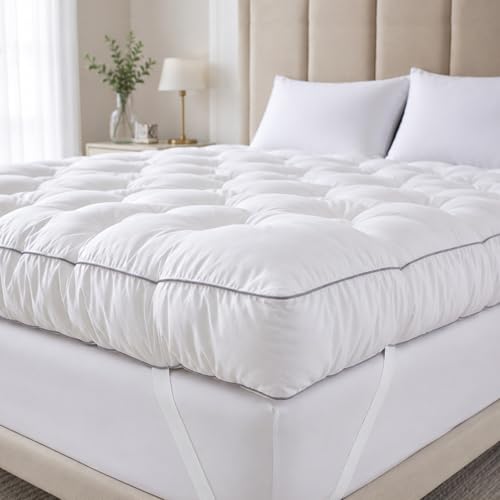
【5-Inch Extra Thick Comfort & Support】 SHOUREN mattress topper features a full 5-inch upgraded thickness, combining gel memory foam with supportive shredded foam. This dual-layer structure provides enhanced pressure relief, improved softness, and stable support for back, waist, and shoulders.
The Essential Rules for Loft Bed Use at Home
All right, you’ve got the hardware sorted, but now you’re wondering, “What rules actually keep my family safe while using the loft bed daily?” Here’s the thing: consistent rules are your best insurance policy.
First, you must enforce a strict “no play” zone up top. It’s for sleeping only. Manage sibling dynamics by banning roughhousing and forbidding extra kids on the bed. Check lighting placement before building; keep fixtures far from the bed to prevent burns or bumps.
Always use the ladder. Mandate three points of contact while climbing. Keep the area below clear of toys and clutter. You’ll also need to check the frame’s tightness every few months. Your daily vigilance guarantees a safe, fun space.

Sturdy Foot Support For Daily Use】Crafted From Premium Hard Plastic, This Step Pad Provides Solid, Long-Lasting Support For Climbing Lofted Or Bunk Beds—putting An End To The Painful Pressure On Bare Feet Caused By Narrow Ladder Rungs.

🧸 Soft Bunk Bed Ladder Pads for Comfortable, Pain-Free Climbing: Make every step up the bunk bed a comfortable one. Our soft bunk bed ladder pads add a thick, cushioned layer that protects kids’ and adults’ feet from cold metal and sharp edges. Whether climbing to the top bunk at night or getting down in the morning, the ladder feels warmer, softer, and safer. Ideal for bunk bed ladders, loft bed stairs, and top bunk bed accessories used daily by children.

Durable & Secure: These bunk bed ladder pads feature a strong self-adhesive nano backing that ensures a firm bond to prevent slipping or detachment during use; Constructed from resilient materials for long-lasting performance and a secure, comfortable grip that is safe for skin contact
What to Ask About College or Camp Loft Beds
Moving from home rules to college or camp loft beds requires a whole new set of questions. You can’t assume their setups meet CPSC standards, as colleges aren’t federally required to comply. First, directly ask about dorm inspections and craft regulations. Confirm guardrails exist, extend at least five inches above the mattress, and have gaps under 3.5 inches. Verify their mattress size policy, as bringing your own could violate rules. Ask how often they check ladder stability. Vitally, inquire about policies against DIY modifications like removing rails. This proactive approach gives you clarity on their safety commitment. Your takeaway: treat the institution like a landlord and get these specifics in writing before move-in day.
3 Family Scenarios Where a Loft Bed Is Too Risky
Now, as you’re figuring out if a loft bed could ever fit your family, it’s obvious that some home setups are just too risky. First, if you have any child under six, forget it. Their coordination isn’t ready for that climbing frequency, especially at night.
Second, mixed-age siblings sharing a room creates terrible sleep compatibility. Your younger child will absolutely try to climb up, no matter the rules.
Finally, any high-climbing or active young child ignores safety. For them, the bed is a playground, and falls from that height cause serious injuries. In these three scenarios, the risk consistently outweighs the space-saving benefit. Your safest move is to wait until every child in the room is at least six and reliably follows safety instructions.