What Age Is a Bunk Bed Safe? A Parent’s Guide
You’re asking the right question. Officially, the top bunk is safe at age six, when kids develop the coordination and judgment needed. Kids under six should use the bottom bunk. Here’s the thing: that age is just the start—your child’s sleep habits and consistent rule-following are just as vital for true safety. There’s more to contemplate, which we’ll cover next.
The Official Bunk Bed Safety Age Recommendation and Why It Exists
Now, let’s dig into exactly why that age six guideline exists and what it’s based on. You’ll see it’s everywhere, from the CPSC and AAP to the warning label on the bed itself. It isn’t arbitrary. Authorities agree children under six simply lack the motor skills and judgment for a top bunk. Their coordination isn’t refined enough for safe climbing, and their risk assessment is immature. That’s why it’s a rule, not a suggestion. The guideline anticipates their natural development, where spatial education and coordination training begin to solidify around that age. Their balance and awareness typically mature enough to handle the ladder and elevated space. The bottom bunk’s your safe option for younger kids, keeping them close to the floor. Parents must also consider proper guardrail placement and mattress fit to create a safe sleeping environment, and should be aware of potential entrapment hazards in the bed’s design. For adults using bunk beds in a guest room, ensuring the structure meets weight limits is a critical parallel safety measure. So, this age is your clear safety benchmark. Let’s look at what happens when this rule is ignored.

【Enhanced Safety and Protection】: The children's bed guardrail padding, filled with plenty of high-quality foam, provides a soft, cushioned barrier on the bed's four sides, preventing children from accidentally bumping into hard edges while sleeping.
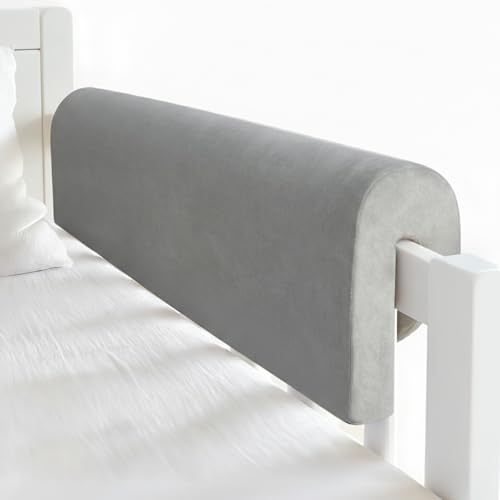
【Enhanced Safety - Anti-Collision & Increased Guardrail Height】Our upgraded children's bed rail bumpers protector is made of high-density foam, which provides a cushioned barrier to prevent kids from hitting the guardrail directly. After installing the bed guardrail padding, the height of the guardrail was increased, reducing the risk of falls and offering peace of mind for parents.

【INNOVATIVE DESIGN】We are committed to developing toddler bed rails that satisfy our customers. This new bed rail is different from other bed rails on the market. We use L-shaped brackets to fix the foam bed rails to make them more stable. It can provide excellent protection even for children who often toss and turn in their sleep, creating a perfect sleeping environment for children. FigTime toddler bed bumper are internationally safety certified and don’t contain any harmful substances.
The Sobering Stats: Understanding Bunk Bed Injury Risks
You might be wondering just how serious those bunk bed warnings really are, and the numbers make it clear. Tens of thousands of kids get injured annually, and falls from the top bunk are the main culprit. Young children under age six face the highest risk. This data is pivotal for injury prevention, as it informs the safety rules you’ll follow. Now, honest risk communication means understanding these aren’t just minor bumps. Lacerations and fractures are common, and head injuries can be severe. Obviously, you want to minimize these risks. Your first step is grasping the scale of the problem. To ensure a safe, sturdy frame that resists collapse, you must follow the manufacturer’s instructions for proper assembly and weight limits, which are critical to verify by checking the manufacturer specifications. Next, you’ll need to assess if your child is developmentally ready to use a bunk bed safely. Ensuring your child’s bunk bed has recommended guardrail heights is a critical step in preventing these falls.
Is Your Child Ready? Key Developmental Milestones for Safety
You’ll also consider their individual sleep patterns and bed preferences. A restless sleeper might not be ready for an elevated space. Obviously, confidence and consistent rule-following are key. Your judgment on these milestones determines true safety readiness. Parents should carefully review the ladder design and weight limits specified for any bunk bed model. Now, once they’re ready, ensuring the bed itself is safe becomes your absolute priority, so prioritize models with sturdy guardrails and a low overall height for toddler safety, and confirm any model you choose meets recognized safety certifications.
Guardrail and Hardware Safety: The Non-Negotiable Features
You’re wondering what makes a bunk bed’s safety features non-negotiable. Guardrails are your first priority, especially for the upper bunk. You need them on both sides, and their height is critical. They must extend at least five inches above the mattress top to prevent rolls. Their gap compliance limits are strict, too. Any opening between the guardrail and mattress shouldn’t exceed 3.5 inches to stop a child slipping through. The hardware is just as important. Look for special fastener release mechanisms that require two or more movements to undo. This design prevents a curious child from removing the rail themselves. Always follow the manufacturer’s step‑by‑step instructions for securing the ladder and all frame connections. For added security and comfort, choose a guardrail with non‑slip padding to secure the mattress further and cushion any nighttime bumps. These aren’t just features; they’re essential barriers that directly prevent falls. This space‑saving design is a smart choice for children’s bedrooms and other compact living areas.
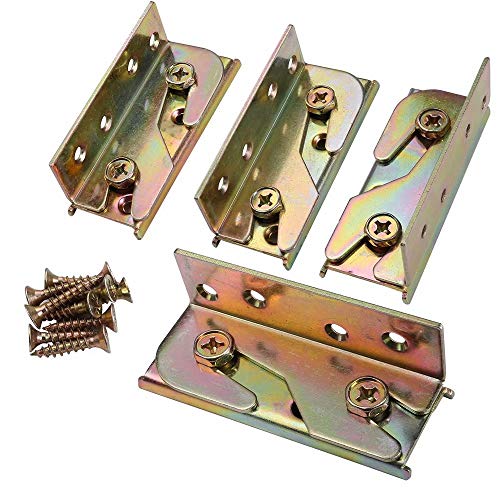
PURPOSE: Be widely used for wooden bed frames, bed rails, headboards, footboards, bunk bed ladders, and even other wooden furniture. These are also great for those of you who...
Essential Bunk Bed Rules Every Family Must Enforce
Since you’re figuring out how to keep kids safe around bunk beds, it’s time to shift from the bed’s features to your family’s daily habits. Now, treat the bunk bed like playground equipment—rules are mandatory. Enforce a strict no jumping or roughhousing rule, as that’s a top cause of injuries. Only one child can be on the top bunk at a time. Here’s the thing: you must also practice an emergency evacuation drill, showing kids how to calmly use the ladder to exit the top bunk quickly and safely. Clear all tripping hazards from the ladder area daily. Obviously, these habits prevent most accidents. Start tonight with that evacuation practice. Ensuring your bunk bed or loft bed has integrated stairs instead of a ladder provides a sturdier and safer method for daily use and emergency exits. If your children have outgrown the bunk configuration, you can consider a safe bed separation to create two independent and secure single beds. When selecting a model, prioritize those that meet strict safety standards to ensure structural integrity and durability.

【 High strength material】: Our balcony/staircase safety net is based on high-strength polyester material and carefully woven to ensure excellent durability and tensile strength. This material not only has excellent toughness, but also can withstand the impact and pressure of daily use, providing a reliable protective barrier for your family.

【Safeguard Your Child】Bunk Bed Ladder Cover prevents unsupervised climbing, reducing fall and injury risks.Providing peace of mind by protecting your child from potentially life-threatening accidents
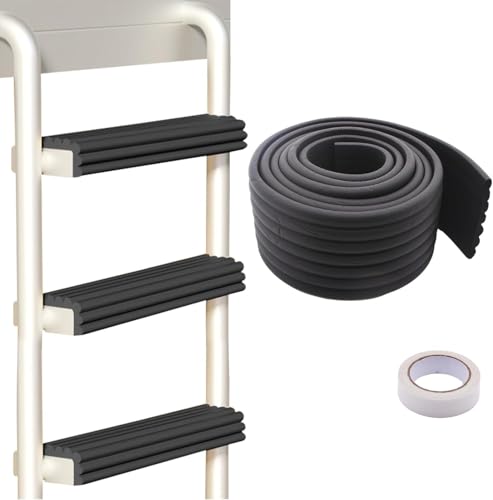
Ladder for Bunk Bed - made of NBR Foam Sponge material, soft and comfortable feel; color is bright, enhances the beauty of your space.
How to Choose the Safest Bunk Bed for Your Child’s Age
Choosing the safest bunk bed for your child’s age begins with a non-negotiable age rule. You’ll keep any child under six off the top bunk. That halves their injury risk. Formaldehyde-free materials are also critical for health.
Now, match the bed’s structure to their stage. For young kids, pick Design Styles with a low-to-ground top bunk. Consider a sturdy, integrated ladder or even stairs. Check that guardrails extend at least five inches above a thin mattress.
Your choice of Material Types matters for stability. A solid wood or metal frame must prevent wobbling. You’re looking for a strict 80-kilogram weight limit for that top bunk.
Your takeaway: A bed’s design must enforce the age rule. Next, you’ll guarantee its setup is perfect.
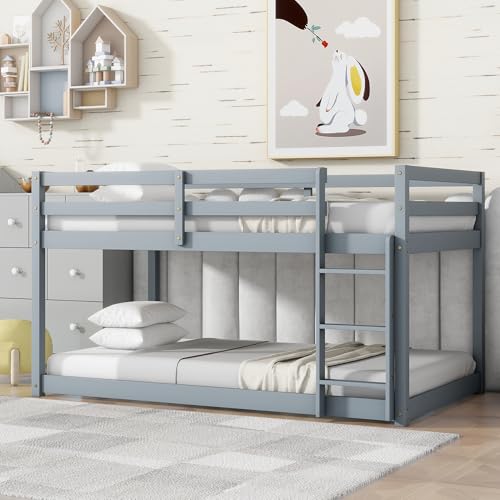
【Low Bunk Beds】Overall Product Dimension: 79.53"L x 43.63W x 44.45"H. Our bunk bed twin over twin is suitable for those families who has low ceilings. Lower height prevents children from getting hit by the ceiling, reducing safety concerns and providing greater stability of the bed. Which will make it easier for your children to climb up and down the ladder.

【Space Saving】 This low bunk bed is a great choice for samll room which is low ceiling

【Low Bunk Beds】Our bunk bed is suitable for those families who has low ceilings, and also fit those have multi-members. Low bunk beds top bed it isn’t so high and the lower bunk is close enough to the floor that no worry about her/him getting hurt.
Safe Setup: Optimal Placement, Mattress, and Ladder Tips
Before you even position the bunk bed, start by acknowledging this truth: placement isn’t just about room layout; it’s your first layer of safety. Keep it away from windows and ceiling fans. Anchor it to the wall. For stability on carpet, an anti slip underlay is a smart move. Always place the bed against a wall, ideally with walls on two sides for maximum stability. When measuring, also check your ceiling height to ensure there is safe adequate headroom for the top bunk. Measure your room carefully to ensure the total bunk bed length allows for safe clearance around the entire structure. The overall height of the bunk bed is largely determined by its frame design and mattress thickness.
Now, the mattress. It must fit the frame perfectly, with guardrails rising at least 5 inches above it. This prevents dangerous gaps a child could slip through. To prevent entrapment, ensure the space between the guardrail and mattress is small enough that a child cannot become trapped. The ladder’s equally critical. Secure it firmly. You want steps spaced 7-12 inches apart. For nighttime climbs, get the nightlight placement right near the base.
Your setup directly prevents falls and entrapment. Next, you’ll maintain this safety.
Safety for Older Kids: Bunk Beds for Teens and Young Adults
You might think bunk beds are just for little kids, but the safety conversation shifts gears for teens and young adults. Their larger size means you must check the weight capacity—aim for 250-300 pounds per bunk. Now, focus on structural integrity. That means solid joinery, not flimsy fasteners, to handle their greater mass and activity. Here’s the thing: injuries spike in this age group, often from bed malfunction. So, insist on full-length guardrails with small gaps. Opt for strong, integrated ladders. Obviously, built-in or professionally anchored beds are safer than freestanding ones for older users. For a truly durable long-term solution, consider opting for models with a sturdy steel frame or premium solid wood construction. Additionally, evaluate the design aesthetics for long-term suitability in family rooms or guest spaces. Your takeaway: prioritize robust adult-rated designs. Next, you’ll consider how to maintain that safety over time.
Your Ongoing Safety Plan: Maintenance and Rule Updates
You’re wondering how to keep a bunk bed safe long-term—that’s the smartest question you could ask, since safety isn’t just about buying the right bed, it’s about maintaining it.
Your plan starts with regular tightening. Check all screws and bolts monthly, as they loosen from normal use. Pair that with a weekly visual damage assessment, looking for splintered wood or rusty hardware.
You also update the rules annually. Reinforce that kids under six shouldn’t use the top bunk and that no jumping is allowed. Obviously, this keeps everyone safe as habits change.
Your clear takeaway: consistent upkeep and clear rules prevent accidents. Now, consider how this routine fits into your family’s schedule.