Pros and Cons of Loft Beds – A Quick Guide
You’re thinking about a loft bed to free up floor space—a smart move. The main pro is obvious: you gain a whole new zone underneath, perfect for a desk or cozy nook. But here’s the catch: you’ll climb a ladder daily and deal with a warmer sleeping spot. They also need high ceilings and sturdy guardrails for safety. It’s a fantastic trade-off if your room and lifestyle fit, which we can help you figure out next.
What Exactly Is a Loft Bed?
You’re wondering what exactly a loft bed is, right? Think of it as a single raised bed frame. It lifts your mattress high off the floor on sturdy pillars. This clever design frees up all the space underneath.
That open area is the key. You’re not just getting a bed. You’re gaining a whole new zone below. You can fit a desk for studying, a cozy sofa, or essential storage drawers. Its historical evolution started in cramped 1980s dorms. Someone needed smarter space optimization. Obviously, it’s for a single sleeper, unlike a bunk bed, and modern designs also offer L-shaped or modular configurations for even more efficient layouts. Building one yourself requires a clear plan for cutting and assembling the frame to ensure it’s safe and level.
Here’s the thing: you’re turning vertical, unused air into functional square footage. Before you start, you must check building regulations and your room’s ceiling height. Now you’ve got clarity on the core concept. Next, you’ll want to know why you’d choose one.
The Biggest Advantages of Choosing a Loft Bed
Since you’ve got the basic idea, your next question is probably why you’d pick one over a regular bed.
You gain massive space. The raised design instantly creates about 23 square feet under it. You can fit a full desk, a dresser, or even a second bed there. Many modern models offer integrated storage solutions like shelves or drawers to further capitalize on this new area.
You’ll appreciate the organization. It creates dedicated zones, separating sleep from work or study. This promotes focus.
Now, consider shared rooms. A loft bed enables a two-for-one setup, giving each person distinct space to reduce conflict. Consider measuring the clearance height to ensure it suits the intended use and furniture underneath.
You also get enhanced privacy from that elevated position, creating a personal retreat. The raised safety comes from sturdy construction designed for long-term use.
Ultimately, you’re maximizing functionality in a compact area. So, think about what you’d put underneath. When evaluating loft beds, be sure to check your room’s ceiling height to ensure a comfortable clearance.

[Safe & Sturdy Low Loft Bed for Kids]: Designed for everyday safety and durability, this low loft bed twin size features a 13.8" elevated guardrail that surrounds the sleeping area to help keep children secure through the night. Built with a heavy-duty steel structure, reinforced metal slats, and smooth rounded corners, this dependable kids bed frame supports active play and restful sleep. The sturdy design makes this loft bed for kids a reliable space that grows with your child’s daily routines.

【Sun-Inspired Design】This twin loft bed features a vibrant sun-shaped motif, symbolizing energy and positivity. Available in black with vintage brown and white with oak color, perfect for creating a bright and cheerful bedroom atmosphere.
Creative Ways to Use the Space Under Your Loft Bed
So, you’re wondering exactly what you can do with all that new space under your bed—let’s get creative with it.
Your first option is a dedicated homework station. You’ll fit a proper desk and chair there. Use storage bins and hanging organizers for all your supplies. It’s a focused spot for productivity. To enhance your setup, consider integrating multifunctional furniture for a more efficient use of the area. When selecting a desk, prioritize models that score highly on durability and storage capacity to ensure your station remains organized and sturdy for years.
Want to relax? Transform it into a cozy reading sanctuary. Add a small bookshelf, a bean bag chair, and soft lighting from a lamp or fairy lights. Consider installing flexible lighting options like wall-mounted sconces or dimmable LED strips to adapt the mood for any story. It instantly becomes your quiet escape.
You can also build a playzone or an art studio. Use toy chests for dinosaurs and dolls. An easel and shelving create a perfect craft corner. The space is genuinely versatile.
Your key takeaway? That empty area is a blank canvas for your needs.

[Suitable For Near All Bed / Cubical Walls] Come with 5 pairs different sized plastic hooks,that ensures the basket is suitable for near all the bed / bunk bed and cubical walls.You can always get an appropriate one to fix on the rail or cubical wall.(Thickness of rail or cubical wall the hooks can fitted are:2.1cm/0.82",2.7cm/1.06",3.3cm/1.29", 4.6cm/1.81", 6.1cm/2.4".)No tools required,very easy to use even kids can assemble and use it.

Valuable Package: You will get 2 pack large bedside caddy, each caddy has 1 pocket and 2 adjustable hooks. 12.6"L x 4.7"W x 4.7"H. Hook onto a bed/cabinet rail within 3cm thickness well.
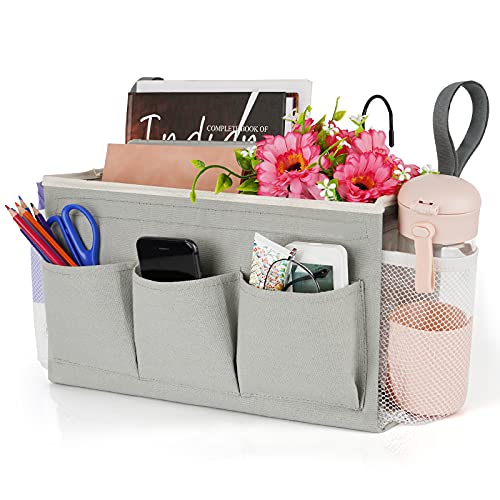
Durable canvas and metal construction with adjustable straps prevents sagging and tilting
Will a Loft Bed Work in Your Room?
How can you tell if a loft bed is really suited for your specific room? Start with ceiling measurements. You’ll need a minimum of 33 inches between the mattress and ceiling to sit up. For an 8-foot ceiling, your bed’s platform must sit quite low, likely around 5 feet high, which aligns with the typical 5 to 6-foot height range for standard lofted dorm beds. That leaves good standing room below. Your choice may also be guided by comparing common loft styles, such as low-profile versus high-rise designs.
Now, conduct a thorough wall analysis. You need a clear, unobstructed wall span of at least 75 inches for the bed’s length. Check for doors or windows in that space. Obviously, you must find the room’s structural beams. That’s for safe anchoring since this is a heavy-duty installation. Before you commit, it is crucial to review any dorm policy restrictions to ensure your setup is allowed. So grab your tape measure first. Your room’s basic dimensions decide everything.
The Not-So-Glamorous Reality: Daily Drawbacks
Bathroom access inconvenience is a real nighttime issue. Every trip means carefully descending and climbing back up, disrupting sleep. It’s a significant trade-off. Temperature is another factor. Warm air rises, so you’ll often sleep hotter than everyone else. Dropping your phone or book also means an immediate ladder trip down. Safety railing is minimal, which can add to the anxiety of these nightly climbs, underscoring why proper guardrail height and spacing are essential safety measures outlined by experts. This can be especially challenging for younger children, who may not be suited for an upper bunk. For this reason, verifying you have the correct ceiling clearance during the planning phase is a critical step to prevent a constant risk of bumping your head. Obviously, you gain floor space. But you exchange it for daily physical effort and minor frustrations. Your decision hinges on whether you value square footage more than convenience.

BED GUARD RAIL FOR TODDLERS 2–5 YEARS – Designed to fit Twin, Twin XL, Full, Queen, and King size beds, this bed rail measures 32.7” L x 14.1” W x 23.5” H and is compatible with mattresses upto 10" thick when used with a box spring. Not intended for use with cribs or toddler beds.

TESTED & TRUSTED BABY SAFETY BRAND: Regalo bed rails have been trusted by parents for over 30 years. Certified by the Baby Safety Alliance, providing dependable protection for toddlers and young children during sleep.
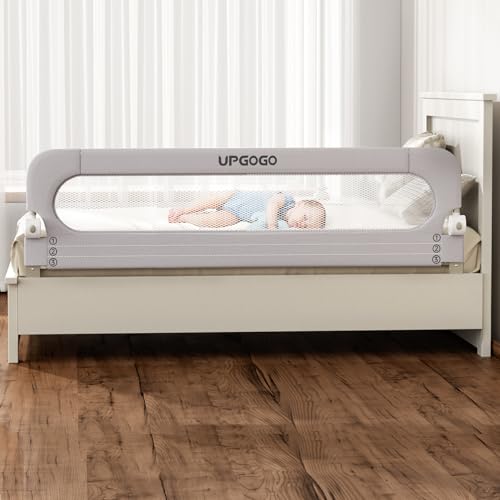
Bed Rail Size: 71"long X 23.6"Top
Safety Considerations You Can’t Overlook
Before diving into loft beds, you should understand the safety standards that prevent serious injury. Guardrail installation is your top priority. You need continuous rails on every open side, with gaps under 3.5 inches to prevent strangulation. Pair them with the recommended mattress thickness; rails must extend 5 inches above the mattress top for effective protection. Many of the top-rated designs feature integrated safety railings for this crucial protection.
Next, check the structural build. You must secure the bed to a wall stud and verify it meets ASTM standards. A solid frame shouldn’t creak or sway. Use a sturdy, fixed ladder, not a removable one, to prevent slips. Finally, maintain at least 33 inches of ceiling clearance above the mattress. Your vigilance here directly prevents falls, the most common cause of thousands of annual injuries. For younger children, safety experts emphasize that the minimum age of six is often recommended before using any elevated bed to ensure they can navigate it safely. For multi-child rooms, selecting a model with integrated stairs can provide safer and more stable access than a traditional ladder.

【INNOVATIVE DESIGN】We are committed to developing toddler bed rails that satisfy our customers. This new bed rail is different from other bed rails on the market. We use L-shaped brackets to fix the foam bed rails to make them more stable. It can provide excellent protection even for children who often toss and turn in their sleep, creating a perfect sleeping environment for children. FigTime toddler bed bumper are internationally safety certified and don’t contain any harmful substances.

[Rock-Solid at 380 lbs: ASTM-Approved Safety Rail for Seniors] KingPavonini bed rails for elderly adult – safety you can trust, tested to U.S. ASTM safety standards, delivering excellent structural strength and protective performance; reinforced to hold up to 380 lbs, these rails provide sturdy, stable support for seniors, post-surgery patients, and individuals with limited mobility, helping users get in and out of bed safely, comfortably, and confidently
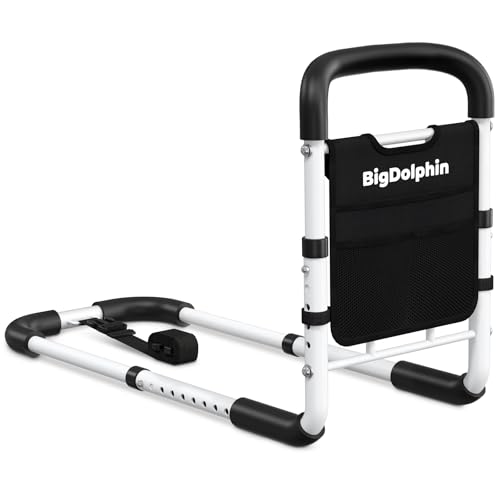
[Stronger, Safer, ASTM Approved] BigDolphin bed rail is tested to meet ASTM safety standards, a recognized U.S. benchmark, ensuring strict structural and performance reliability; the frame is wrapped in multi-layer non-slip foam to improve mattress grip, and an additional safety strap securely anchors the rail to the bed to reduce shifting, providing steady support and peace of mind
Who Should Avoid a Loft Bed?
Loft beds are fantastic for saving space, but you’re smart to question if they’re right for everyone—some situations clearly disqualify them.
Who simply shouldn’t climb up there?
Obviously, children under six must avoid them due to safety. Consider any psychological aversion to heights, too. If you have sensory sensitivities, that cramped upper space can feel overwhelming. Additionally, anyone exceeding the manufacturer’s stated weight capacity risks structural failure.
What about your room or mobility?
Low ceilings under about 33 inches create a headache. When selecting a loft bed, carefully assess your bedroom layout to ensure it accommodates the bedroom layout and budget for a safe and comfortable fit. Limited mobility makes ladders unsafe. You’d also avoid them in fire-hazard areas where they block escape routes.
Your safety and comfort always trump space savings. If any doubt exists, a mid-height or standard bed is a wiser, safer choice for you right now.
Choosing the Right Loft Bed: Key Features & Builds
Now, if a loft bed seems like it could work for you, let’s figure out how to pick the right one. Start with Size Considerations. A twin loft maximizes floor space. A full or double size gives you more sleeping area but needs higher ceilings. Match the size to your room’s dimensions and your planned use of the space underneath.
Next, focus on Material Selection. Solid wood is durable and warm but heavy. Metal frames are affordable and light, offering a modern look. Your choice affects longevity, aesthetics, and budget.
Finally, examine the build. Decide if you need a simple open-frame design, an integrated desk for work, or built-in storage drawers. Always prioritize sturdy guardrails and verified weight capacity for safety.

【Solid & Safe for a Good Night's Sleep】Built from strong 100% metal with a sleek black finish, this kids loft bed provides a secure and supportive sleeping space. Full-length guardrails offer added peace of mind, supporting up to 400 lbs.

Safety-First Design: This loft bed twin size features a 15" high iron guardrail to prevent falls, while the inclined ladder with optimized 3 steps ensures secure climbing for teens. The sturdy 20-slat with one center support bar structure supports up to 350 lbs per bunk, ensuring durability and peace of mind. Pass the test ASTM F1427-21 Certified, meets rigorous U.S. safety standards for bunk beds

Solid Square Tube Frame: The square is more durable & solid than the round in structure. Don’t worry about if the frame will be broken, the maximum bearing capacity can reach 400 lbs.
Final Checklist: Is a Loft Bed Right for You?
When weighing the pros and cons, it’s wise to start with your ceilings. Confirm your room meets the 100-inch minimum or consider a low-profile frame. This height restriction is non-negotiable for safety and comfort.
Now, conduct a thorough mobility assessment. Can you or your child confidently climb a ladder daily? For younger kids, stairs are safer. Honestly evaluate any physical limitations that could make accessing the bed or changing sheets a hassle.
Finally, define your ‘why’. Is that freed-up floor space pivotal for a desk or play area? If your needs align with the benefits and you’ve checked these boxes, a loft bed could be your space-saving solution. If not, a standard frame might serve you better.