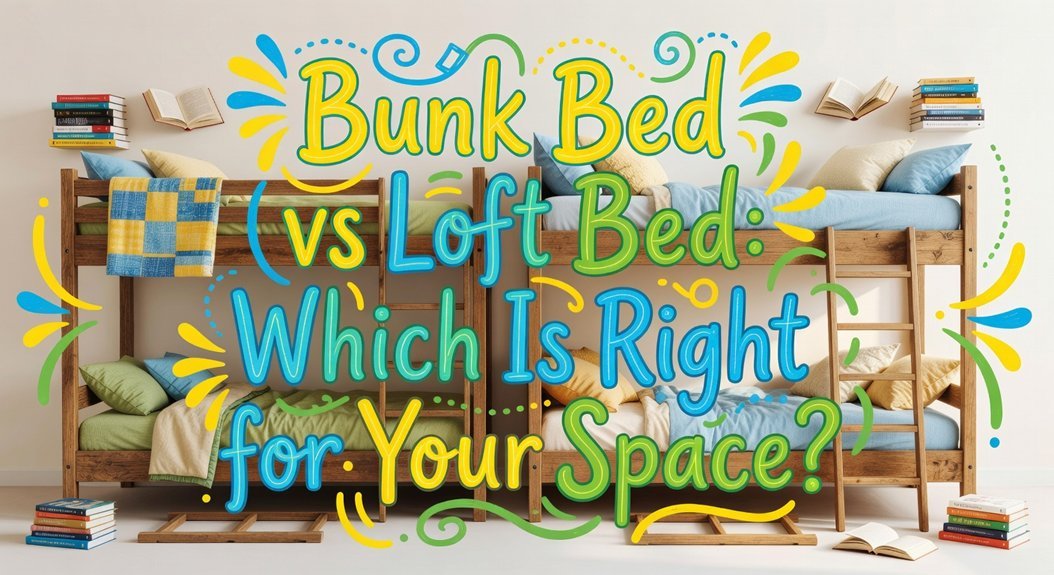
Bunk Bed vs Loft Bed: Which Is Right for Your Space?
Trying to decide between a bunk or loft bed? You’re weighing a people problem versus a space problem. Obviously, bunks solve the need for two sleepers, while a loft maximizes floor space for one. It’s the key choice that transforms your room’s entire layout, so the right answer starts with your primary need. Let’s unpack the details that make each option perfect for different rooms.
Bunk Bed vs Loft Bed: Which Saves Your Space Better?
You’re wondering whether a bunk bed or loft bed saves more space, which is exactly the right first question. Your choice fundamentally hinges on your room’s priority: sleepers or floor space.
For a single sleeper in compact residences, a loft bed wins. It maximizes vertical storage by freeing the entire area under the mattress. You gain a home office or seating zone, transforming a tiny bedroom, and provides a cost-effective sleeping solution. It’s ideal for rooms under 70 square feet, offering ease of access for a single occupant.
A bunk bed saves space differently. It stacks two beds, halving the footprint. You’d use it when sleepers are your priority, perfect for shared kids’ rooms and requiring careful consideration of safety features. It efficiently uses one wall, leaving the rest open.
Takeaway: Lofts maximize usable floor space for one; bunks maximize sleeping capacity for two. For solutions that fold completely into the wall, consider a Murphy bed when daily conversion is manageable.

Strong frame: Adopt square frame structure stronger to make the bed frame more stable, the maximum bearing capacity can reach 400 lbs.
The Deciding Factor: More Sleepers or More Floor Space?
All right, so you’ve figured out how each bed type saves space. Now, you’re choosing between sleepers and floor space.
Here’s the thing: bunk beds solve a people problem. They stack two or more beds, perfect for shared rooms. You maximize sleeping capacity for siblings or roommates without needing a bigger floor plan. Consider visitor accommodation, too; an extra bunk is ready for sleepovers. Sleeper privacy, however, is minimal in this open, stacked setup. This vertical stacking is a hallmark of bunk bed design, ideal for small rooms or shared spaces. Key safety standards for bunk beds include mandatory guardrails and secure ladders.
Loft beds solve a space problem. With one elevated bed, you free the entire footprint underneath for a desk, couch, or storage. It’s ideal for a single sleeper needing a multi-use zone, like in a studio apartment. You trade a second bed for a functional living area. Evaluating the material durability of construction is essential for long-term stability and safety.
Your primary need dictates your choice. What’s your room’s bigger priority? This mirrors their use in environments like military barracks where durable, space-efficient sleeping arrangements are essential.
Measure Twice: Your Room’s Ceiling and Floor Plan
Before we explore into people or space, there’s a more fundamental question: will it actually fit? You start with room dimension mapping. Grab a tape measure and get your ceiling height first. This includes understanding how frame design and materials contribute to the overall height.
Now for minimum ceiling calculations. A standard loft bed needs at least 8 feet. For a bunk bed, you need 33-36 inches of air above the top mattress. Here’s the thing: always subtract the mattress thickness and about 30 inches for sitting clearance from your ceiling height. This ensures adequate headroom for sitting beneath the sleeping platform. Remember that a traditional loft bed typically positions its sleeping platform at a height between 4 and 6 feet from the floor.
Obviously, floor space matters just as much. Account for the bed’s footprint and room to move around it. Your precise numbers are your best guide, so measure twice before you even start shopping.
Ensuring Safety for Every Age and Stage
Your key move? Match the bed to your child’s current developmental stage, then verify every safety feature. Most safety experts recommend a minimum age of at least six years old for the top bunk. When selecting a bed for a toddler, prioritize models with low height and full-length guardrails for added security. For teens, look for models praised in reviews for their sturdy construction and integrated safety features.
When a Bunk Bed Is the Unbeatable Solution
Now, how do you know if your specific room layout calls for this? A bunk bed, especially a twin-over-twin configuration, is often the best solution for maximizing sleeping capacity in a tight footprint. This classic design provides a cost-effective sleeping solution for siblings by stacking two beds vertically where only one would normally fit. Its practicality is well-proven in multi‑generational households where saving floor space is a critical need.

【Space Saving】 This low bunk bed is a great choice for samll room which is low ceiling

【Upgraded Safety and Convenience】 14.2" high guardrails and a sturdy ladder ensure secure climbing. Designed with hanging hooks and storage pockets to keep the space tidy — bunk bed twin over twin for dorms, cabins, and vacation homes

Safety-First Design: This twin bunk beds for kids features a 13" high iron guardrail to prevent falls, while the built-in ladder with optimized spacing ensures secure climbing for teens. The sturdy 20-slat structure supports up to 350 lbs per bunk, ensuring durability and peace of mind. Pass the test ASTM F1427-21 Certified, meets rigorous U.S. safety standards for bunk beds
When a Loft Bed Creates the Perfect Room Layout
If you’re wondering whether a loft bed truly optimizes your space, it’s all about turning vertical volume into usable square footage.
Now, think about room customization. You open floor space for a desk, a sofa, or even a second bed. This zoning versatility lets you clearly separate sleeping, working, and living areas without walls. Models with an integrated desk and steps are especially efficient for this functional division.
Obviously, you free up roughly one bed’s footprint. It’s perfect for tight rooms needing multiple functions. Smart storage underneath keeps it all organized, with easy-access storage compartments enhancing daily convenience.
For even more floor plan possibilities, you can explore an L‑shaped loft bed or modular designs that tailor the layout to your exact room.
Your takeaway? A loft bed redefines your layout by using height. It’s a design strategy, not just a piece of furniture.
Consider if your space needs that functional division.

💌【Easy to Contact Us】: If there is any problem, please contact us via this email: csr@merax.com, call us: 626-912-8886. 1. The Ultimate "Room-in-a-Box" Solution: Transform a small bedroom, dorm room, or studio apartment into a highly organized, functional space with this All-in-One Twin Loft Bed. This unit is engineered to replace multiple pieces of furniture—a bed, a desk, a bookshelf, and a large-scale storage organizer—into a single, vertical footprint. Finished in a sleek Black or White frame with a premium natural wood grain desktop, it offers a sophisticated, high-end look that maximizes every inch of your room.
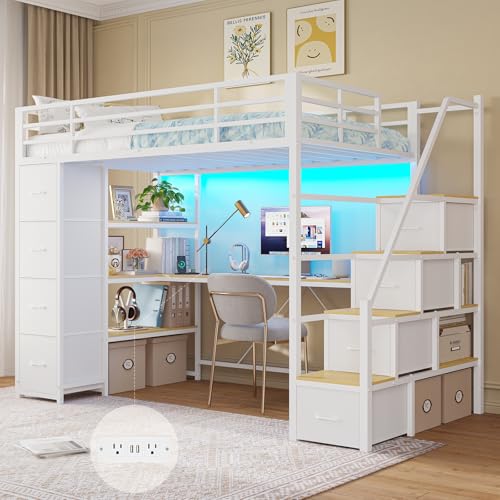
【Space-Saving Marvel】Our multifunctional twin loft bed redefines space efficiency and security for teens’ rooms! By smartly utilizing vertical space, it seamlessly integrates three core functional zones—comfortable sleep, efficient study/gaming,and smart storage into a compact 26.74 sq. ft. footprint.Combining practicality with modern style, it’s the perfect choice for space-limited teen bedrooms, apartments, dorm rooms, or gaming setups.

【Killer Workspace for Homework & Gaming】This twin loft bed features an 75.6"x41" L shaped gaming desk with hutch, shelves & drawers. The acrylic-front cabinet is for your coolest collectibles. A built-in pegboard and a grid panal are to hang stuff and make full use of vertical space. 5 s-clips come with your package. 3 storage drawers (2 medium + 1 deep) are designed for organizing by zone: school stuff, gaming gear and more
Breaking Down Budget, Build Time, and Future-Proofing
Choosing between a bunk and loft bed often comes down to three practical factors: what you’ll spend, the time it takes, and how well it’ll suit your needs down the line.
Your cost comparison starts here. Loft beds typically cost more due to their complex frame. You’ll pay even more for custom builds. Bunk beds give you better value for two sleepers. This price trade off is clear: pay more for a loft’s multifunctional space, or less for a bunk’s efficient sleeping. Remember, a loft’s final price also includes essential additions like a safety railing and a mattress. Durability is another key cost factor, as beds built from solid hardwood withstand years of use better than cheaper materials.
Assembly time favors bunks. They’re quicker. A custom loft demands extended build time, and you might need professional help for safety. Think about that weekend project.
For future-proofing, lofts adapt. They can evolve from a kid’s play zone to a teen’s study area. Bunks are ideal for sibling sharing now. So, weigh immediate needs against long-term flexibility. Your room’s future starts with this choice.
Creative Ways to Maximize a Loft Bed’s Under-Space
Since you’re figuring out how to use that valuable real estate under a loft bed, let’s explore how to transform it from empty air into your most functional zone.
Want a workspace but not a desk?
You’ve got great desktop alternatives. Build in open shelving for books or install a low-profile art table. A deep loveseat with a side table creates a perfect reading nook. It’s about finding what supports your tasks.
Need a zone for kids?
Smart playroom configurations are key. Create a dedicated art corner with a supply wall. Use a toy chest and a small rug to define a play den. You can even fit active play items like a ballet barre. The space becomes a world of its own.
Your goal is matching the setup to your daily life. Now, which function fits your needs best?

【Ultra-Slim Under Bed Storage】Only 3 inches tall, this low profile under bed storage fits perfectly under beds or sofas with limited space. Maximize hidden storage while keeping your room tidy and essentials within easy reach—perfect for tight spaces.
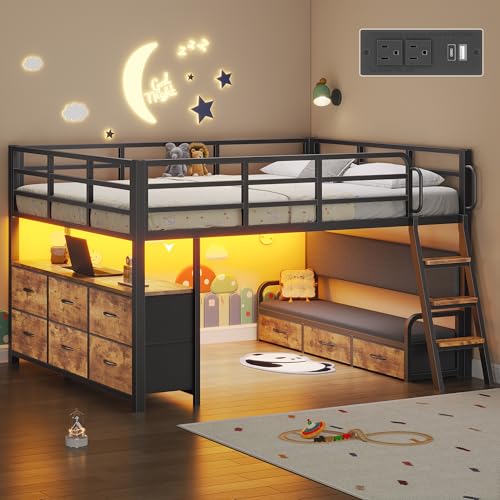
Enhanced Safety Low Loft Bed: Designed for ultimate safety and peace of mind, this low loft bed combines a secure low-profile structure with rounded corner design to prevent bumps and injuries. The 15.8” full-length heightened guardrail and anti-tip fixtures provide added stability and protection, making this kids loft bed a worry-free choice. Ideal for use as a toddler loft bed or a functional loft bed with desk, it offers both safety and versatility. NOTE: For optimal safety, ensure the mattress top remains at least 5″ below the guardrail

【Ultra‑Safe Design】This low loft bed is built on a reinforced heavy-duty steel frame with 15 densely packed slats, offering superior support. The extra-tall 13.98" full-length guardrail and included metal anti-tip wall anchor provide the ultimate sleep safety for kids. We’ve also added soft rounded corner protectors and padded ladder foot covers to prevent everyday bumps and scratches. (Note: For safety, keep the mattress top at least 5" below the guardrail.)
Clever Add-Ons That Make Bunk Beds Even Better
Because you’re considering add-ons for a bunk bed, you’ve already figured out the core structure itself can be pretty basic. That’s where clever storage solutions really shine. You’ll maximize your space by using pop-up cubes or hanging organizers on guardrails. You can also install under-bed compartments for seasonal items.
Now, address safety and mood with lighting enhancements. Clip-on LEDs on the rail are perfect for reading. You can run warm-white (2700–3000K) LED strips under the top bunk for a soft glow. Even glow-in-the-dark stickers on the ladder make nighttime navigation safer.
These thoughtful additions personalize the space and boost function. Your next step is to prioritize which upgrades fit your family’s specific needs.
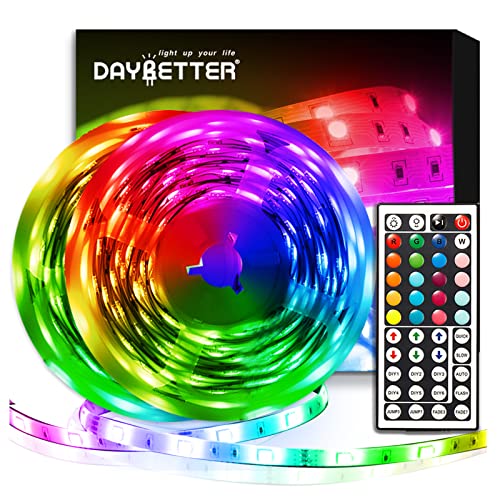
Standard kit: The kit contains 2 rolls 16.4 feet led strip lights, controller box, remote, adapter

SMOOTH WARM LIGHT WITH DUAL SENSORS: Automatically activates from both directions, delivering smooth and continuous lighting for hallways, under-bed, cabinet, closet, and other indoor areas without fumbling in the dark.

Upgrade Three Light Modes - Built-in sensor, under bed led strip light up automatically when people is within the sensing range, and turn off automatically after leaving,helping you see clearly in the dark without waking anyone up. Auplf 19.68ft motion sensor led light strip has 3 lighting modes: ① motion sensor mode (auto on when sensed), ② light sensor mode (auto on when detected in dark environment), ③ constant on mode (keep 24 hours on)
Your Final Bunk Bed or Loft Bed Checklist
All right, you’ve picked out the fun add-ons. Now, let’s nail down your final checklist. Your purchase considerations start with room dimensions. You must guarantee at least 30 inches of clearance above the mattress top for sitting up comfortably. Then, confirm your sleeping capacity—a bunk serves two, a loft serves one with a functional space below. Safety is paramount; guardrails need a 5-inch minimum height above the mattress, and top beds are for kids six and older.
For installation maintenance, anchoring the frame to wall studs prevents wobble, and you’ll need to tighten bolts every few months. Obviously, check that your floor plan clears doors, windows, and provides ladder access. Your final takeaway? Measure twice, buy once, and prioritize a stable, safe setup. What’s your biggest room constraint?